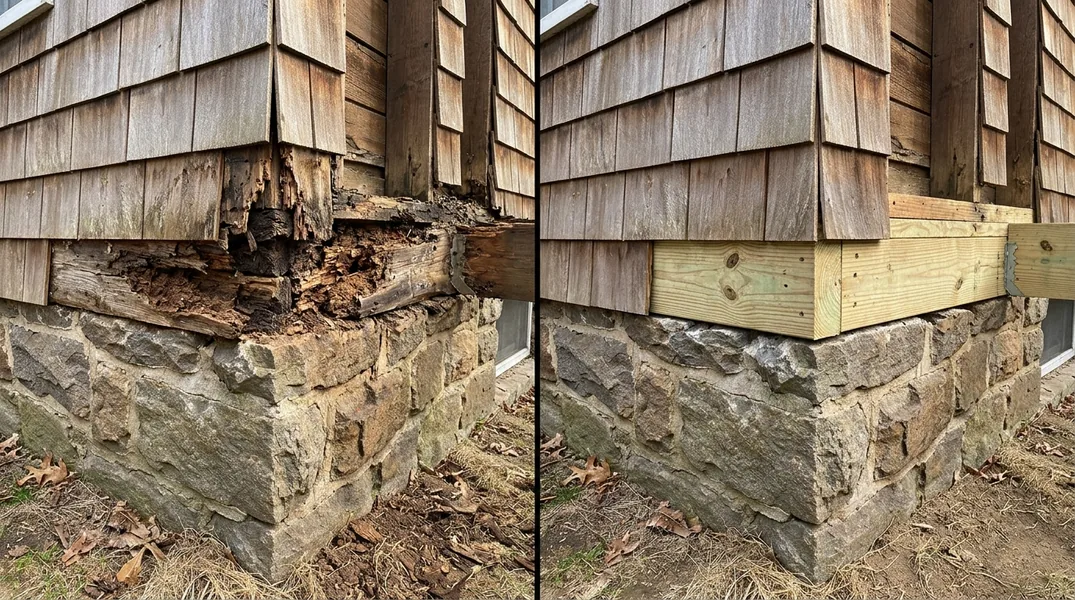
The Critical Difference: Flood Damage vs. Wood Rot Coverage
When water enters your home, the financial consequences can be devastating. But here's what many Paterson homeowners don't realize: your standard homeowners insurance policy treats flood damage and wood rot very differently, and understanding that distinction could save you thousands of dollars.
Standard homeowners insurance typically covers sudden, accidental water damage caused by events like burst pipes, roof leaks from storms, or water heater failures. However, flood damage is almost never covered by standard homeowners insurance. Flooding from heavy rain, overflowing rivers, storm surge, or drainage system failures requires a separate flood insurance policy through the National Flood Insurance Program (NFIP) or a private flood insurance provider. If you live in Paterson in a flood-prone area, this distinction is absolutely critical to your financial protection.
Wood rot, on the other hand, presents an even more complicated scenario. Most standard homeowners policies do not cover wood rot that develops gradually over time due to moisture exposure, poor ventilation, or lack of maintenance. Insurance companies view this as a maintenance issue rather than a covered loss. However, if wood rot develops as a direct result of a covered peril, like water damage from a sudden pipe burst, you may have coverage for the resulting repairs.
When Homeowners Insurance Actually Covers Water Damage
Your homeowners insurance can cover water damage in specific, sudden scenarios. If a pipe bursts inside your walls and causes water damage to your floors, walls, or structural components, that's typically covered. Similarly, if a storm tears off part of your roof and rain pours into your attic, causing damage to rafters and insulation, your policy should respond. Wind and hail damage that allows water intrusion is also generally covered under the standard homeowners policy.
The key word here is sudden and accidental. Insurance adjusters will investigate whether the damage resulted from a covered peril or from ongoing neglect. For example, if water damage occurs because you failed to maintain your gutters and water backed up into your home, an insurance company may deny the claim. If damage occurs because a tree fell on your roof during a storm, that's typically covered. When you file a claim for water-related damage, the insurer will send an adjuster to determine the root cause, so documentation and honesty about the circumstances matter tremendously.
Flood damaged floor repair is where many homeowners face coverage gaps. If your basement floods because of heavy rain or a storm surge, standard homeowners insurance won't cover it. You need flood insurance. However, if your basement floods because of a burst water main inside your home, that may be covered under your standard policy. The distinction hinges on whether the water came from inside your plumbing system or from external sources like ground saturation and flooding.
Why Wood Rot Claims Are Frequently Denied
Wood rot develops slowly, usually over months or even years, as moisture penetrates wood fibers and fungal growth accelerates decay. Because of this gradual nature, insurance companies classify most wood rot as a maintenance issue rather than a sudden loss. Your homeowners policy is designed to cover unexpected, accidental events, not the consequences of deferred maintenance or environmental exposure. When you submit a wood rot insurance claim, adjusters will look for evidence that you maintained your home properly: did you repair roof leaks promptly, did you maintain adequate ventilation, did you keep gutters clear, and did you address moisture problems when they appeared?
There is one narrow window where is wood rot covered by homeowners insurance: when the rot develops as a direct result of a covered water loss. For instance, if a pipe burst and went undetected for several days, causing wood rot in your floor joists, and you can prove the rot resulted from that specific incident, you might have a claim. However, you'll need documentation of the initial water loss and evidence that the rot is a direct consequence. Most adjusters are skeptical of these claims and will require thorough inspection and expert testimony to approve payment.
The reality for many Paterson homeowners is that wood rot repair becomes an out-of-pocket expense. This is why regular home inspections, prompt repairs of any water intrusion, and proper moisture management are essential. If you discover wood rot, addressing it quickly prevents it from spreading and becoming exponentially more expensive. Wood Rot & Dry Rot Repair should be treated as urgent maintenance, not something to defer in hopes insurance will cover it.
Filing a Water Damage or Wood Rot Insurance Claim
If you experience water damage that you believe is covered, act quickly. Most homeowners insurance policies require prompt notification of a loss. Contact your insurance agent or company immediately and document everything with photographs and video before any cleanup or repairs begin. Take pictures of the water source, the affected areas, damaged materials, and any visible mold or wood rot. Write down the date and time the damage occurred and the circumstances that led to it. Keep receipts for any emergency measures you take to prevent further damage, as these are typically covered as mitigation expenses.
When the insurance adjuster arrives, be prepared to explain exactly what happened. Provide documentation of any maintenance you've performed on your roof, gutters, plumbing, and foundation. If you've had previous water issues in the same area, mention them and explain what you did to address them. The adjuster will inspect the damage, take measurements, and determine whether it falls under your coverage. If you disagree with their assessment, you have the right to request a second opinion or hire your own inspector.
For wood rot claims specifically, consider hiring a professional inspection before filing. A certified inspector can document the extent of the rot and, if applicable, establish that it resulted from a covered water loss rather than gradual moisture exposure. This professional documentation significantly strengthens your claim. If your claim is denied and you believe it should be covered, review your policy carefully and consult with your insurance agent about the denial reason.
Protecting Your Home: Prevention and Proper Insurance Coverage
The best strategy is prevention combined with appropriate insurance coverage. If you live in a flood-prone area of Paterson, flood insurance is not optional, it's essential. Standard homeowners insurance will not protect you, and mortgage lenders in high-risk flood zones will require it anyway. The cost of a flood insurance policy is typically far less than the cost of recovering from a major flood event.
For wood rot prevention, maintain your home's exterior diligently. Keep gutters and downspouts clear so water flows away from your foundation. Repair roof leaks immediately. Ensure your basement or crawl space has adequate ventilation and drainage. Address any signs of water intrusion right away, before moisture has time to penetrate and rot wood structures like floor joists and beams. If you notice soft spots in your floors, discoloration on walls, or a musty smell, these are early warning signs of moisture and potential wood rot. Professional Floor Joist & Subfloor Repair may be needed if rot has already begun to compromise structural integrity.
Review your homeowners insurance policy annually. Understand what water-related damage is covered and what isn't. If you have questions about specific scenarios, ask your insurance agent directly and request clarification in writing. Some homeowners choose to add additional coverage endorsements for water backup or sump pump failure. The small investment in clarity now can prevent major financial stress later.
When to Call a Professional Carpenter Near Me
If you discover water damage or suspect wood rot in your home, don't wait for insurance to decide whether to repair it. Structural damage worsens rapidly once moisture and decay begin. Paterson Carpentry specializes in Wood Rot & Dry Rot Repair, and we can assess the full scope of damage, determine whether it's covered by insurance, and provide you with professional repair options and pricing information.
Our team can also help you document damage for insurance purposes. We provide detailed inspection reports and photographs that support insurance claims and help establish the cause and extent of water or rot damage. Whether your damage is covered or not, you need reliable repair work to restore your home's structural integrity and prevent further deterioration. If structural elements like floor joists, beams, or load-bearing walls are affected, professional repair is non-negotiable for safety and long-term home value.
Don't navigate water damage or wood rot alone. Contact Paterson Carpentry at (862) 282-1733 or request a free estimate so we can evaluate your situation and guide you through next steps. We'll help you understand what you're dealing with and what your best options are, whether that involves insurance claims, professional repairs, or both.
Looking for a professional carpentry contractor in Paterson? Paterson Carpentry responds fast for all your carpentry needs.
Get a Free QuoteOur services: Wood Rot & Dry Rot Repair · Termite Damage Repair · Floor Joist & Subfloor Repair