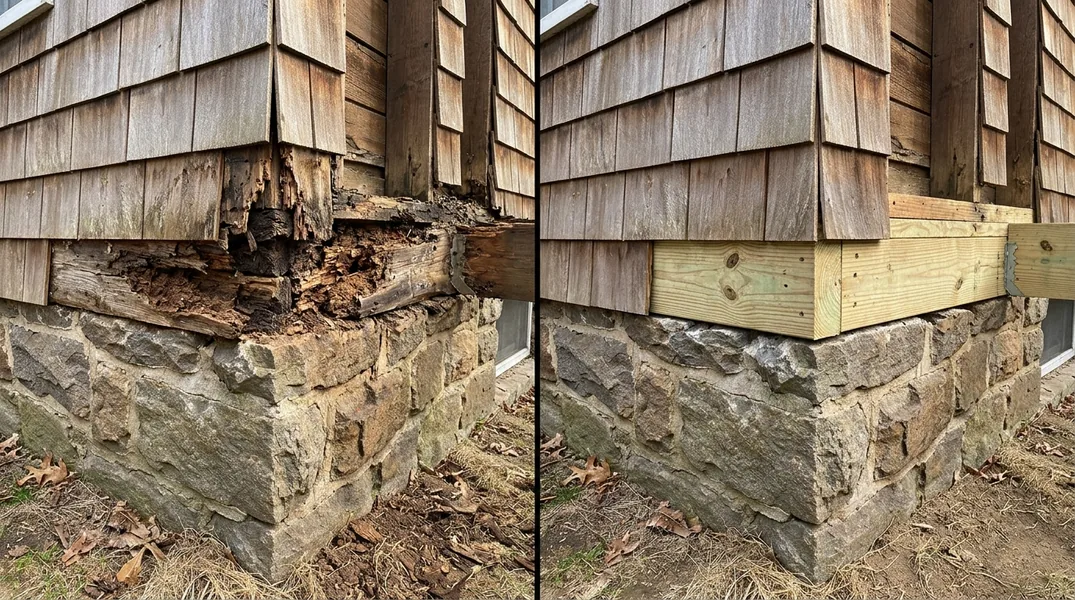
Why Historic Homes in Paterson Demand Different Maintenance
If you own a Victorian in Eastside Park or a classic two-family in Riverside, you already know that older homes have character that new construction simply cannot replicate. The original woodwork, the solid framing, the architectural details, they tell a story. But that story comes with a responsibility that many newer homeowners never face: understanding the unique needs of historic structures.
Homes built in Paterson during the late 1800s and early 1900s were constructed with materials and methods that differ significantly from modern standards. The wood species used, the way foundations were laid, the ventilation patterns, all of these factors influence how your home ages and what it needs to stay sound. Unlike a 20-year-old ranch house, a 120-year-old Victorian isn't just an older version of the same thing. It's a fundamentally different animal, and treating it like a modern home is one of the fastest ways to create expensive problems.
The good news is that thousands of historic homes have survived this long precisely because the craftsmanship was exceptional. With the right knowledge and proactive maintenance, yours can thrive for generations more.
The Hidden Enemy: How Wood Rot Develops in Older Homes
Wood rot is perhaps the most insidious threat to any old house, and it thrives in the exact conditions that many historic homes provide. Unlike new construction with modern moisture barriers and ventilation systems, older homes often have subtle water intrusion pathways that have existed for decades without causing obvious damage. By the time you notice soft wood, discoloration, or a musty smell, the problem has usually progressed well beyond the surface.
The reason wood rot is so dangerous in historic properties is that it often goes unnoticed until structural integrity is compromised. Water enters through failing roof shingles, deteriorated flashing, gaps in original wood siding, or foundation cracks. Inside the walls, this moisture creates the perfect environment for fungal growth. The wood weakens from the inside out, and by the time you spot it, you may be facing not just cosmetic repair but serious structural concerns.
Wood Rot & Dry Rot Repair in older homes requires a different approach than patching rot in a modern house. Historic wood is often harder and denser than contemporary lumber, which means the repair strategy, the materials used, and the methods employed all need to account for these differences. Misdiagnosis or improper repair can actually accelerate future damage by introducing incompatible materials or creating new moisture traps.
Wood Siding Repair: Protecting Your Home's First Line of Defense
The exterior wood siding on a Victorian or two-family home is not just decorative. It's a critical barrier against weather, moisture, and pests. Original wood siding in Paterson homes was often installed with overlapping boards (called clapboard) or shiplap, designed to shed water downward. When that siding deteriorates, the entire moisture management system of your home begins to fail.
Many homeowners don't realize that wood siding repair is not always about replacing entire sections. Sometimes the most effective approach is selective board replacement, careful repainting with breathable finishes, and sealing gaps where water can sneak in. The key is identifying which boards are truly compromised versus which ones just need cosmetic attention. A board that looks bad cosmetically might still be structurally sound, while a seemingly minor soft spot could indicate deep rot beneath the paint.
The challenge with historic siding is that matching the original material, profile, and finish is often necessary to maintain both the home's integrity and its character. Vinyl replacement siding might seem like a low-maintenance solution, but it traps moisture against the original wood frame, actually accelerating decay. The most durable long-term solution for a historic home is usually maintaining the original wood with high-quality exterior paint, proper ventilation, and prompt repairs when damage appears.
Structural Concerns: When Floor Joists and Beams Are at Risk
Beneath the beautiful floors and within the walls of your historic home runs a skeleton of wooden beams and joists that support everything. In older homes, these structural members were often cut from large old-growth trees that produced wood far denser and stronger than modern lumber. However, age and moisture exposure can compromise even the finest timber.
Floor Joist & Subfloor Repair becomes necessary when water damage, wood rot, or termite activity weakens these critical components. Signs include floors that feel spongy, bounce slightly when you walk on them, or show visible sagging. These symptoms should never be ignored, because a compromised floor joist doesn't just affect comfort, it's a safety issue. In severe cases, Beam Replacement & Load-Bearing Wall Removal may be required to restore structural stability.
The difference between a simple repair and a major structural project often comes down to early detection. A joist with surface rot caught early might be reinforced or have the damaged section replaced without extensive demolition. The same joist ignored for five more years might require complete replacement and temporary structural support during the work. This is why annual inspections of basement and crawl spaces, attics, and areas prone to moisture are invaluable for historic homeowners.
Old House Maintenance in New Jersey: Seasonal and Year-Round Tasks
New Jersey's climate is particularly challenging for older homes. The freeze-thaw cycles of winter, the humidity of summer, and the occasional heavy rains and nor'easters all conspire to stress wood structures. A maintenance routine tailored to this climate can prevent many of the problems that plague historic homes.
Spring is the ideal time to inspect your roof, gutters, and exterior woodwork after winter's freeze-thaw cycles have done their work. Check for loose or missing shingles, debris in gutters that prevents proper water drainage, and any wood that has swollen or cracked. Summer is when you can address any exterior painting or sealing that's needed, taking advantage of dry weather. Fall requires another gutter cleaning and inspection of caulking around windows and doors. Winter monitoring focuses on watching for ice dams, which can force water up under roof shingles and into your attic.
Interior maintenance is equally important. Keep an eye on basement or crawl space moisture. If you notice condensation on pipes, dampness on walls, or a musty smell, address it immediately. Proper ventilation and possibly a dehumidifier can prevent the moisture conditions that lead to wood rot. Check attics for signs of roof leaks, especially after heavy rain or snow. These preventive steps are far less expensive than emergency repairs after structural damage has already begun.
When to Call a Professional: Wood Rot & Dry Rot Repair Near Me
Not every wood maintenance issue requires professional help. Painting, caulking, and minor cosmetic repairs are well within reach of a capable homeowner. However, certain situations demand expertise that goes beyond DIY solutions. If you suspect wood rot, see visible structural damage, notice soft wood when you press on it, or smell that telltale musty odor of decay, it's time to call in a specialist.
The reason professional assessment matters is that wood damage is often much more extensive than it appears on the surface. A carpenter trained in historic home repair can probe, inspect, and determine the true scope of damage. They understand how to distinguish between surface-level issues and structural concerns, and they know which repairs will preserve your home's integrity versus which ones might create new problems down the line.
If you're in Paterson and you're concerned about wood damage in your Victorian or two-family home, reach out to Paterson Carpentry for a free estimate. You can call (862) 282-1733 to discuss your home's specific needs. A professional inspection is the only way to know for certain whether you're looking at a simple repair or a more serious structural issue. Early intervention can save thousands of dollars and preserve the character and value of your historic home.
Looking for a professional carpentry contractor in Paterson? Paterson Carpentry responds fast for all your carpentry needs.
Get a Free QuoteOur services: Wood Rot & Dry Rot Repair · Termite Damage Repair · Floor Joist & Subfloor Repair